Posts

الخلاف بين الظواهري والبغدادي قد يؤدّي إلى انشقاق "القاعدة"

Image
بقلم: هيثم مزاحم أحدث التسجيل الصوتي لزعيم تنظيم "القاعدة" أيمن الظواهري الذي بثته قناة "الجزيرة" الفضائيّة يوم الجمعة 8 تشرين الثاني/نوفمبر الجاري ضجّة كبيرة كونه يدعو فيه إلى إلغاء "الدولة الإسلاميّة في العراق والشام" (داعش) ويؤكّد أن "جبهة النصرة في بلاد الشام" هي فرع التنظيم في سوريا، ما يعطي الجبهة غطاءً "شرعياً". لكن "داعش" رفضت على لسان زعيمها أبو بكر البغدادي ما قاله الظواهري، مؤكّدة على أن "داعش" باقية في العراق وسوريا. Read more: http://www.al-monitor.com/pulse/ar/contents/articles/originals/2013/11/al-qaeda-zawahri-baghdadi-split.html#ixzz2kYUfQ8R5

Internal disagreements could lead to al-Qaeda split

Image
By Haytham Mouzahem The audio recording aired by Al Jazeera on Oct. 8  of al-Qaeda leader Ayman al-Zawahri has caused quite a stir, in particular because Zawahri called for disbanding the Islamic State of Iraq and al-Sham (ISIS). Zawahri also confirmed that Jabhat al-Nusra was the organization's branch is Syria, giving it the cloak of legitimacy. Meanwhile, ISIS leader Abu Bakr al-Baghdadi responded by rejecting Zawahri's call, stressing that ISIS will remain in Iraq and in Syria. Read more: http://www.al-monitor.com/pulse/originals/2013/11/al-qaeda-zawahri-baghdadi-split.html#ixzz2kYU8jWkw

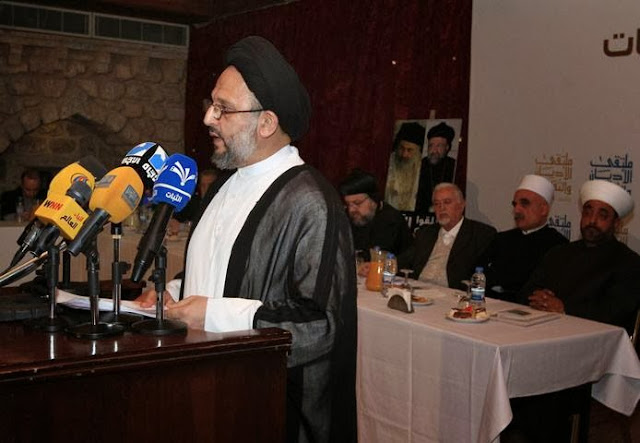
السيّد علي فضل الله: "ملتقى الأديان والثقافات" مبادرة حواريّة لتخفيف الاحتقان الطائفي

Image
بقلم هيثم مزاحم  نشرفي 7 نوفمبر 2013 "إن الله علّمنا أن نحاور كلّ الناس، ولا توجد مقدّسات في الحوار، فقد حاور الله تعالى إبليس، فهل هناك من الناس من هو مثل إبليس؟ كما أن القرآن هو كتاب حوار مع المشركين في توحيد الله، ومع الكافرين في وجود الله وفي نبوّة النبي..."، هكذا أجاب المرجع اللبناني الشيعي الراحل السيّد محمد حسين فضل الله عندما سئل عن ازدياد الحديث عن الحوار بين الأديان في فترة التسعينيات من القرن العشرين. مناسبة الكلام عن الراحل فضل الله اليوم ودعوته للحوار مع الآخر وخصوصاً مع المسيحيّين والمذاهب الإسلاميّة الأخرى، هو المبادرة التي أطلقها نجله العلامة السيّد علي فضل الله بتأسيس "ملتقى الأديان والثقافات للتنمية والحوار" بمشاركة خمسين شخصيّة من رجال دين مسلمين ومسيحيّين ومفكّرين ومثقّفين من لبنان والعالم العربي والإسلامي. و"الملتقى" أعلن عنه فضل الله في حفل أقيم في بيروت الثلاثاء 30 تشرين الأول/أكتوبر المنصرم. وقد حضره نواب وسياسيّون وقادة حزبيّون ومثقّفون ومفكّرون وإعلاميّون، أبرزهم رئيس كتلة الوفاء للمقاومة (حزب الله) النائب محمد رعد ورئيس ا...

Lebanese Shiite leader launches interfaith dialogue

Image
 By Dr Haytham Mouzahem "God taught us how to converse with all people. There are no sanctities when it comes to dialogue. God Almighty himself spoke to the devil. Are there people like the devil? Also, the Quran is a book of dialogue with polytheists about the unity of God, and with infidels about the existence of God and the prophecy of Muhammad." This is how the late Lebanese Shiite cleric Mohammad Hussein Fadlallah responded when asked about the increased talk of interfaith dialogue in the 1990s. The occasion to talk about the late Fadlallah today, and about his call for dialogue with the "Other" — especially with other Christian and Islamic sects — is an initiative launched by his son, the scholar Sayyed Ali Fadlallah. The latter established the "Religions and Cultures Forum for Development and Dialogue," in which 50 different personalities participated, including Muslim and Christian clerics and intellectuals from Lebanon and other ...

Extremism’s roots in Salafism’s literalist interpretation of Islam

Image
By Dr. Haytham Mouzahem The Salafist and Wahhabist strains of radical Islam and their differences are worth understanding, as both ideologies have become more influential in the Middle East and North Africa since the Arab Spring revolutions. “Jihadi Salafism” or the “Takfiri” groups derive from Salafism and Wahhabism, especially from the Al-Qaeda organization and its branches. Since September 11, 2001 some Wahhabis and Salafists have merged with radical Islamists to create “Jihadi Salafism.” Islamism and especially the Muslim Brotherhood have influenced some Wahhabis, such as Osama Bin Laden, and in return some Islamists have been influenced by Wahhabism as a combination of what some call “Jihadi Salafists” while their enemies describe them as “Takfiri JIhadis.” Salafism derives from the Arabic word Salafiyya, which originated from the term al-salaf al-salih, which means “the pious predecessors.” This is a reference to the generations of Muslims who lived arou...

Sayyed Ali Fadlallah launches interfaith initiative to contain extremism and sectarianism

Image
  By Dr. Haytham Mouzahem In 2001, the late Shi’a scholar Grand Ayatollah Sayyed Muhammad Hussein Fadlallah held a group interview with journalists. Fadlallah was a famous cleric in Lebanon and the Arab world and known in the West since October 23, 1983 when a suicide bomber killed 241 Americans at the U.S. Marine barracks in the Lebanese capital of Beirut. Fadlallah, who died in July 2010, had been accused by the United States of blessing the attack due to his reputation as a “spiritual mentor” of Hezbollah. He vehemently denied both affiliations. He was also the target of an assassination attempt by a car bombing in Beirut in 1985, which according to American leaks was linked to the CIA with collaboration with Saudi intelligence and a Lebanese group. Later, the differences between Fadlallah and Hezbollah publicly revealed that the Islamic Marjaa’ was not at anytime a “spiritual leader” of the Shi’a Lebanese party. Instead, Fadlallah left a legacy of interfaith ...

Syrian impasse undermines U.N. peace conference

Image
By Haytham Mouzahem Many elements have threatened the United Nations “Geneva 2″ conference that the United States and Russia have agreed to convene in November to end the Syrian war that has killed over than 100,000 people and forced millions to leave their homes. Syrian President Bashar al-Assad declared on October 21 that “factors are not yet in place” for the scheduled peace talks in Geneva, Switzerland. He said in an interview with Al-Mayadeen television in Beirut, “No time has been set, and the factors are not yet in place if we want Geneva 2 to succeed.” “Which forces are taking part? What relation do these forces have with the Syrian people? Do these forces represent the Syrian people, or do they represent the states that invented them? There are many questions about the conference…What is the framework of the conference?” Assad asked. Assad has not ruled out running for re-election in 2014. He responded to the question of Al-Mayadeen’s Chairman of the Board, Ghassan...